
Suspension Trouble: Common Warning Signs You Shouldn’t Ignore
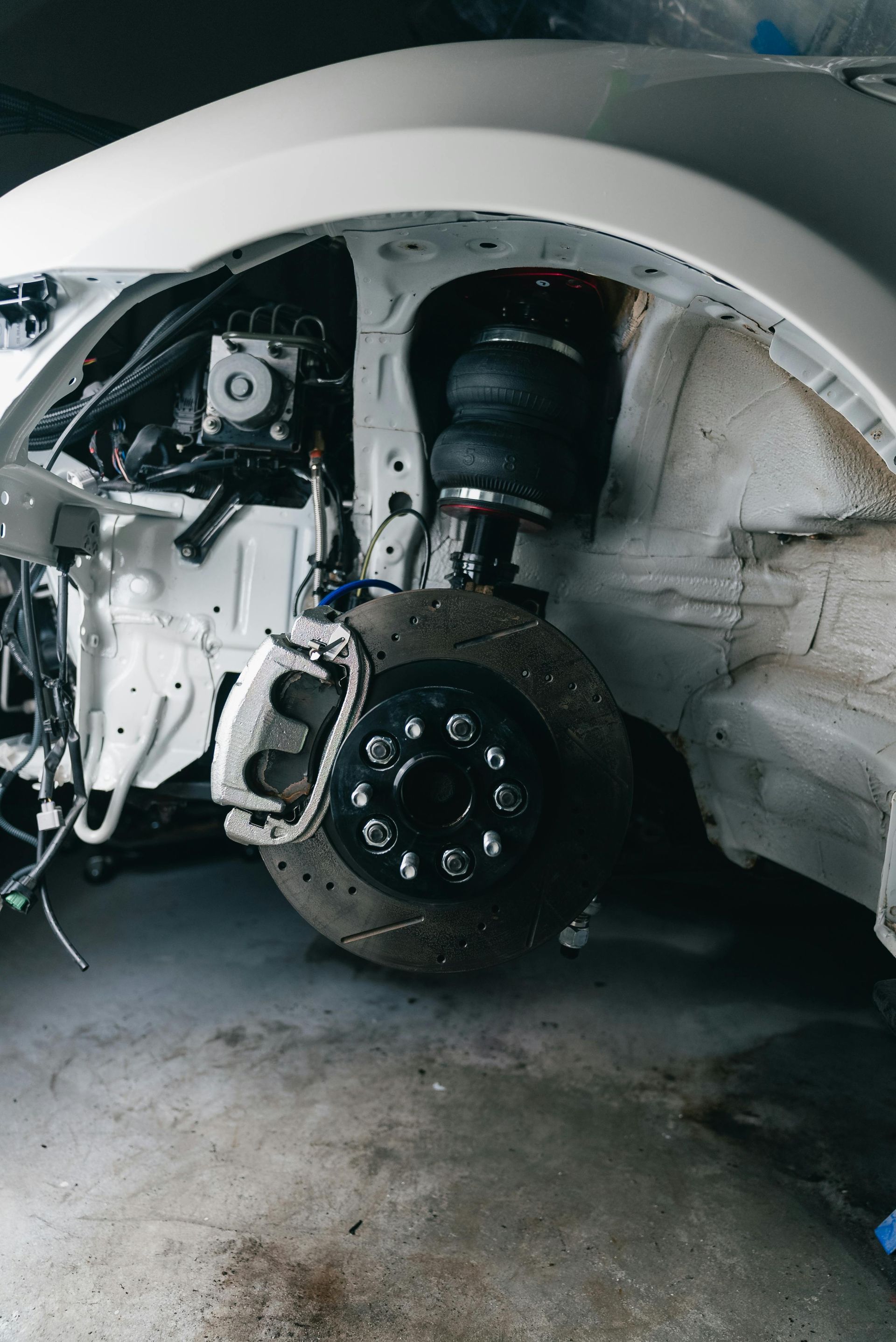
The suspension helps absorb bumps while keeping the tires properly connected to the road surface. But as they get older, suspension components such as shocks, struts, springs, and bushings naturally wear out. When problems develop, your vehicle may become less stable, harder to control, and less comfortable to drive. At A-1 Automotive, we provide expert suspension repair in the greater Portland area. Here are five common signs of suspension trouble that should not be ignored.
Excessive Bouncing
One of the most noticeable signs of suspension problems is excessive bouncing after driving over bumps. Healthy shocks and struts should quickly stabilize the vehicle after impact. If the car continues bouncing several times after hitting a pothole or speed bump, the suspension may no longer be absorbing road impacts properly.
Uneven Tire Wear
Suspension problems often cause uneven tire wear because the tires may not maintain consistent contact with the road. Drivers may notice bald spots, cupping, or uneven tread patterns developing more quickly than normal. Uneven tire wear can reduce traction, shorten tire lifespan, and negatively impact handling. Addressing suspension issues early can help protect both the tires and the vehicle’s stability.
Pulling or Drifting While Driving
A vehicle with suspension trouble may pull to one side or feel unstable while driving. Worn suspension components can affect wheel alignment and steering response. Drivers may notice that the vehicle drifts or feels difficult to keep centered on the road. Poor stability can become especially dangerous during wet weather or emergency maneuvers.
Clunking or Squeaking Noises
Unusual noises coming from underneath the vehicle may indicate worn or damaged suspension parts. Clunking, knocking, or squeaking sounds often occur when driving over bumps. These noises may result from worn bushings, ball joints, shocks, or other suspension components. Ignoring these sounds can allow the problem to worsen.
Nose Diving During Braking
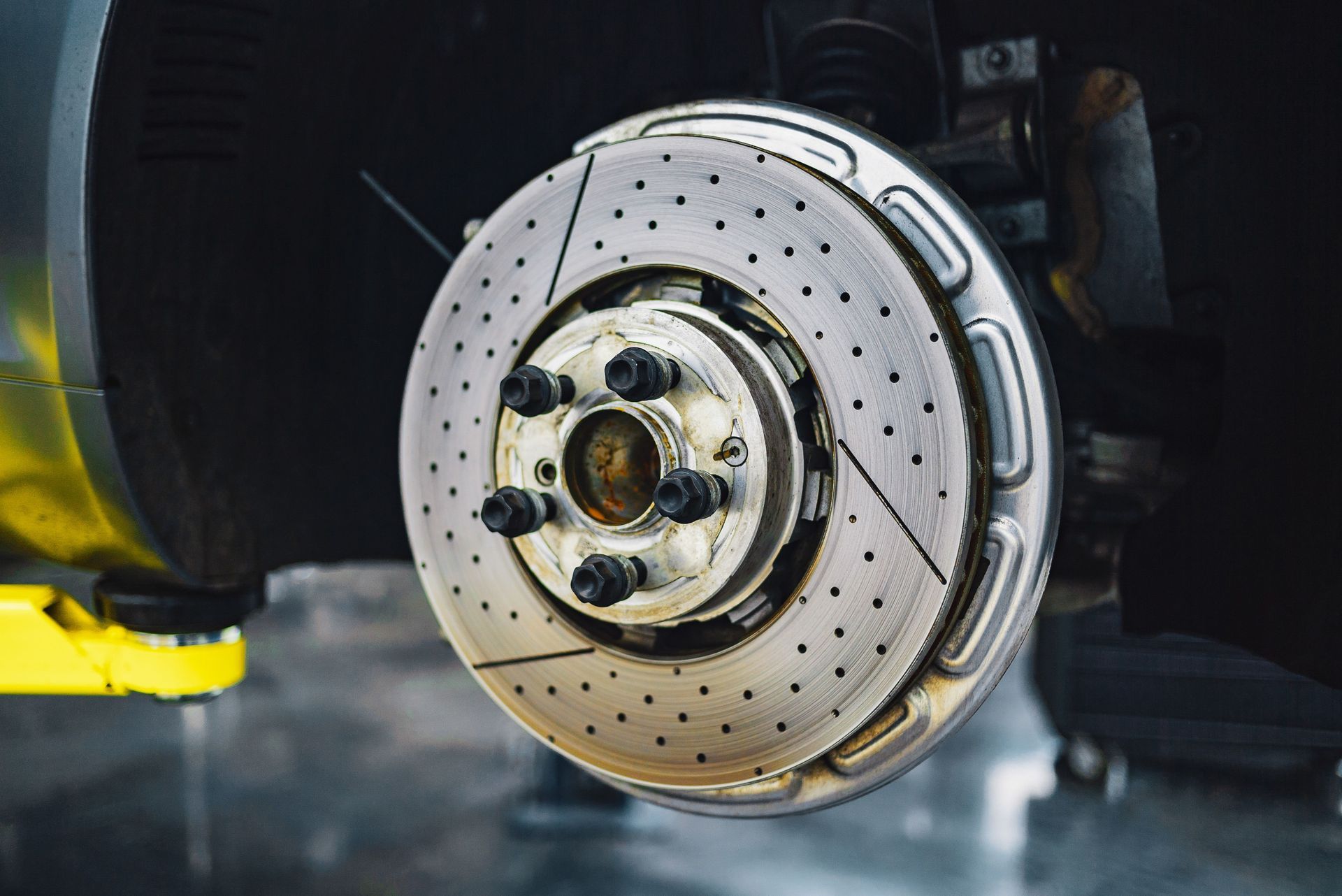
If the front of the vehicle dips excessively forward during braking, worn shocks may be to blame. This problem, commonly called nose diving, occurs when the suspension can no longer properly stabilize the vehicle’s weight transfer. Excessive nose diving can increase stopping distances and reduce braking control. Prompt suspension repairs help restore safer handling.
Suspension Repair in Portland, OR
For expert auto repair in Portland, OR or Vancouver, WA, visit A-1 Automotive. Feel free to give us a call to make an appointment!